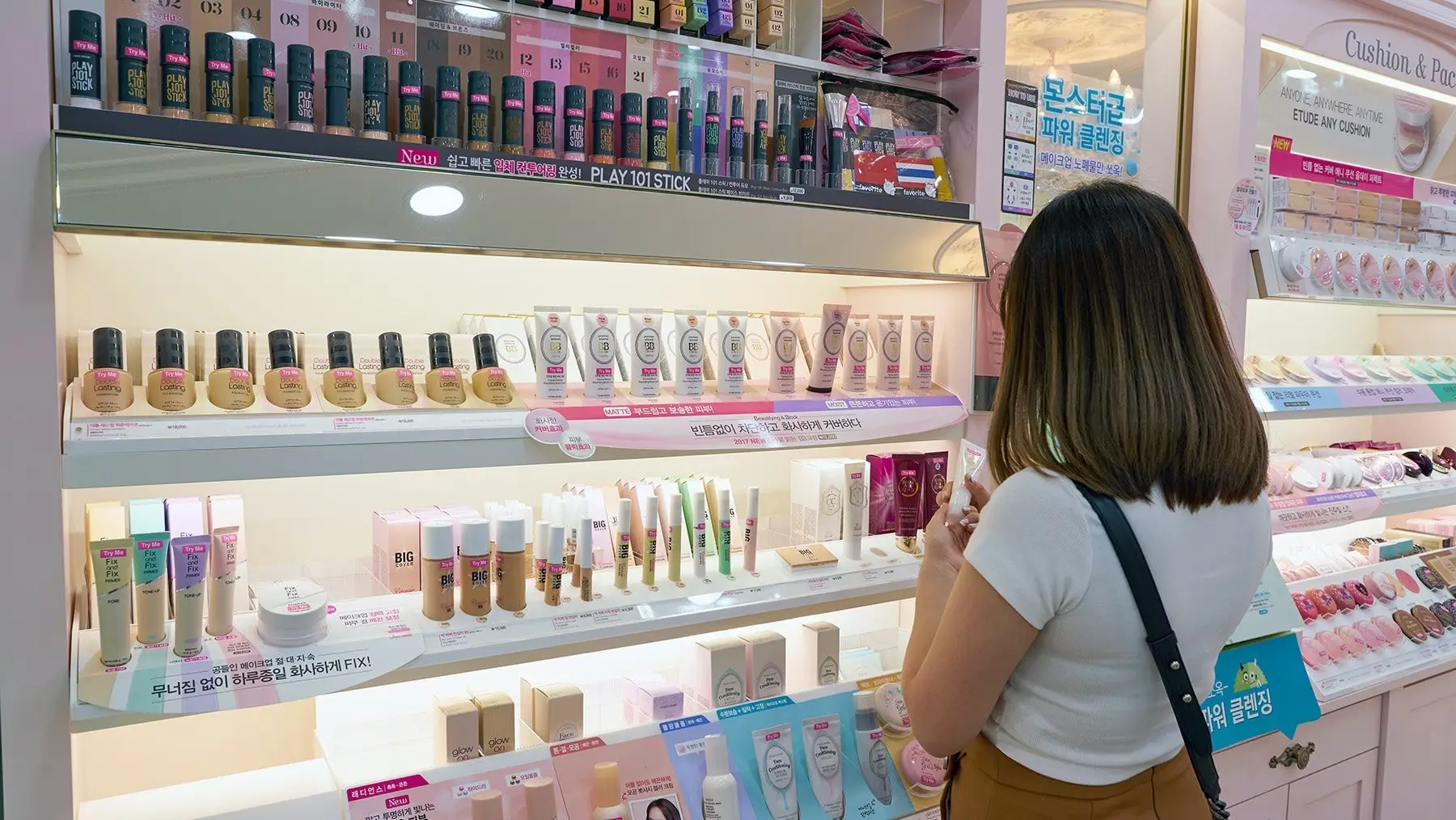
Cosmetic brands from Korea, China, or Japan can legally enter the European Union market by complying with EU Cosmetic Regulation (EC) No 1223/2009, appointing an EU Responsible Person, preparing a Product Information File (PIF) including a Cosmetic Product Safety Report (CPSR), completing CPNP notification, and ensuring that their product labeling meets EU requirements.
The European Union represents one of the largest and most sophisticated cosmetic markets in the world. For cosmetic manufacturers located outside the EU, including companies in South Korea, China, and Japan, the European market offers significant commercial opportunities. However, entering the EU cosmetics market requires strict compliance with a well-defined regulatory framework designed to ensure product safety and consumer protection.
This article explains the regulatory steps required for non-EU cosmetic manufacturers to place products on the European market, including an overview of EU cosmetic legislation, the role of the Responsible Person, and the documentation and notification procedures that must be completed before products can be sold within the European Union.
Understanding EU Cosmetic Regulation (EC) No 1223/2009
The regulatory framework governing cosmetic products in the European Union is defined by Regulation (EC) No 1223/2009 on cosmetic products. This regulation establishes harmonized rules across all EU Member States and ensures that cosmetic products sold within the EU are safe for consumers.
The regulation covers several critical aspects of cosmetic product compliance, including:
- Product safety requirements
- Ingredient restrictions and prohibited substances
- Safety assessments
- Product documentation
- Labeling requirements
- Market surveillance and enforcement
Unlike some regulatory systems that require pre-market product approval, the EU system is based on the principle that the manufacturer is responsible for ensuring product safety before placing the product on the market. This responsibility is exercised through the appointment of a Responsible Person within the European Union.
Step 1: Appoint an EU Responsible Person
One of the most important requirements for non-EU cosmetic manufacturers is the appointment of an EU Responsible Person (RP).
Under Article 4 of EU Cosmetic Regulation 1223/2009, every cosmetic product placed on the EU market must have a Responsible Person established within the European Union. The Responsible Person serves as the legally accountable entity for regulatory compliance.
For cosmetic brands located in Korea, China, or Japan, the Responsible Person is typically:
- an EU-based importer
- an EU subsidiary of the manufacturer
- a distributor appointed as Responsible Person
- a specialized regulatory consultancy
The Responsible Person is responsible for ensuring that cosmetic products comply with EU regulations before they are placed on the market.
You can read more in this article:
Do cosmetic brands outside the EU need an EU Responsible Person?
Responsibilities of the Responsible Person
The Responsible Person must ensure that:
- the cosmetic product is safe for human health
- a Product Information File exists for the product
- a Cosmetic Product Safety Report has been completed
- the product has been notified through the CPNP
- the product labeling complies with EU requirements
EU authorities will contact the Responsible Person in case of regulatory inspections, safety concerns, or market surveillance activities.
Step 2: Prepare the Product Information File (PIF)
Before a cosmetic product can be placed on the EU market, a Product Information File (PIF) must be prepared and maintained.
The Product Information File is a comprehensive regulatory dossier containing documentation demonstrating that the cosmetic product complies with EU legislation.
Contents of the Product Information File
The PIF typically includes:
- a detailed description of the cosmetic product
- the Cosmetic Product Safety Report (CPSR)
- information about manufacturing methods and GMP compliance
- evidence supporting product claims
- data on animal testing related to the product or ingredients
The Product Information File must be kept available at the address of the Responsible Person within the EU and must be accessible to regulatory authorities upon request.
Importantly, the PIF must be retained for ten years after the last batch of the cosmetic product has been placed on the market.
Step 3: Prepare the Cosmetic Product Safety Report (CPSR)
A key component of the Product Information File is the Cosmetic Product Safety Report (CPSR).
The CPSR is a scientific safety assessment confirming that the cosmetic product is safe for human use under normal or reasonably foreseeable conditions of use.
The safety report must be prepared by a qualified safety assessor with expertise in fields such as toxicology, pharmacy, or medicine.
For a more detailed explanation of the CPSR structure and assessment process, see the article:
What is a Cosmetic Product Safety Report (CPSR) in the EU?
Structure of the CPSR
The CPSR consists of two main parts.
Part A – Cosmetic Product Safety Information
- qualitative and quantitative composition of the product
- physicochemical characteristics of the formulation
- microbiological quality
- impurities and traces
- toxicological profiles of ingredients
- exposure assessment
Part B – Cosmetic Product Safety Assessment
This section contains the formal safety conclusion of the safety assessor confirming whether the cosmetic product is considered safe for consumer use.
The Responsible Person must ensure that the CPSR is completed before the product is placed on the EU market.
Step 4: Notify the Product Through the CPNP
Before a cosmetic product can be marketed in the EU, it must be notified through the Cosmetic Products Notification Portal (CPNP).
The CPNP is an online system operated by the European Commission that allows EU authorities and poison control centers to access essential information about cosmetic products placed on the market.
Information Required for CPNP Notification
The notification typically includes:
- product name and category
- Responsible Person details
- country of origin
- ingredient list
- product labeling
- product image or packaging photograph
The notification must be completed before the cosmetic product is placed on the EU market.
Once the notification is submitted, the product can be legally distributed across all EU Member States.
Step 5: Ensure EU Cosmetic Labeling Compliance
EU cosmetic regulation requires specific information to appear on the product label.
These labeling requirements ensure transparency and allow consumers to use cosmetic products safely.
Mandatory Labeling Elements
The following information must appear on cosmetic product packaging:
- name and address of the Responsible Person
- country of origin for imported products
- nominal content of the product
- date of minimum durability or Period After Opening (PAO)
- batch number or lot identification
- precautions for use
- function of the cosmetic product
- ingredient list using INCI nomenclature
Ingredient lists must follow the International Nomenclature of Cosmetic Ingredients (INCI) system and be listed in descending order of concentration.
Labeling must also be presented in the language required by the Member State where the product is sold.
Ingredient Compliance and Safety Requirements
Cosmetic products placed on the EU market must comply with ingredient restrictions listed in the annexes of EU Cosmetic Regulation.
These include:
- Annex II – Prohibited substances
- Annex III – Restricted substances
- Annex IV – Permitted colorants
- Annex V – Preservatives
- Annex VI – UV filters
Non-EU manufacturers must ensure that their formulations comply with these restrictions before exporting products to Europe.
Market Surveillance and Compliance Monitoring
After cosmetic products enter the EU market, they remain subject to regulatory oversight.
EU Member States conduct market surveillance to verify that products comply with regulatory requirements. Authorities may request access to the Product Information File or investigate safety concerns.
If a cosmetic product is found to pose a risk to human health, authorities may take measures including:
- product withdrawal from the market
- product recalls
- regulatory enforcement actions
Preparing Cosmetic Products for the EU Market
Cosmetic brands from Korea, China, Japan, and other non-EU countries can successfully enter the European market by complying with EU Cosmetic Regulation (EC) No 1223/2009 and completing several regulatory steps before placing products on the market.
These steps include appointing an EU Responsible Person, preparing a Product Information File containing a Cosmetic Product Safety Report, notifying the product through the Cosmetic Products Notification Portal, and ensuring that labeling and ingredient requirements comply with EU legislation.
Because EU cosmetic regulation is comprehensive and highly structured, many international cosmetic manufacturers work with specialized regulatory partners who help manage compliance, maintain documentation, and ensure smooth market entry.
If your company is planning to place cosmetic products on the European market, regulatory preparation is essential before launch.
Request a consultation to discuss EU cosmetic compliance and EU market entry requirements.
A practical roadmap for non-EU brands
In practical terms, brands from Korea, China, Japan, and other non-EU markets usually need to move through the EU process in a clear sequence. First, the product must be confirmed as a cosmetic under EU law. Then the formula should be checked against the EU annexes, the Cosmetic Product Safety Report (CPSR) prepared, the Product Information File (PIF) assembled, the label adapted to EU requirements, and the EU Responsible Person formally appointed before CPNP notification is completed.
Trying to do these tasks in the wrong order often leads to delay. For example, if artwork is finalized before the Responsible Person address is confirmed, labels may need to be redone. If notification is attempted before the formula and supporting documents are stable, inconsistencies appear later.
Documents brands should prepare early
final formulation details and variant structure;
raw material specifications and composition support;
existing safety and stability documents;
packaging specifications and final artwork drafts;
batch traceability and manufacturing information; and
a clear list of EU target markets and channels.
Having this information ready early helps avoid repetitive back-and-forth with the assessor, Responsible Person, and design team.
Common delays in EU market entry
Some of the most common delays are not caused by the Regulation itself but by fragmented preparation. Typical examples include formulas being revised during the safety assessment, suppliers being slow to provide raw material information, labels being translated without regulatory review, and importers being involved before the legal structure is clear.
Many of these delays are manageable if the project is treated as a coordinated regulatory launch rather than a series of disconnected tasks.
Why planning matters
For non-EU brands, the EU is often one of several export priorities at the same time. That makes planning even more important. A product that is commercially ready is not always regulation-ready, and companies that align technical, regulatory, and packaging decisions early are usually able to move faster with fewer late corrections.